
Start here
Castle Panic 2nd Edition
- Best fit
- One to six players who want a 45-minute castle defense
- Keep in mind
- Card draws can swing the outcome
Herbie's Picks
Toys and Games Updated Sep 26, 2026
A good cooperative game gives an eight-year-old real choices without leaving one adult to run the table. These picks range from a gentle maze to longer shared challenges. One listing, Herd Mentality, does not clearly promise cooperative play, so check its current rules before buying.
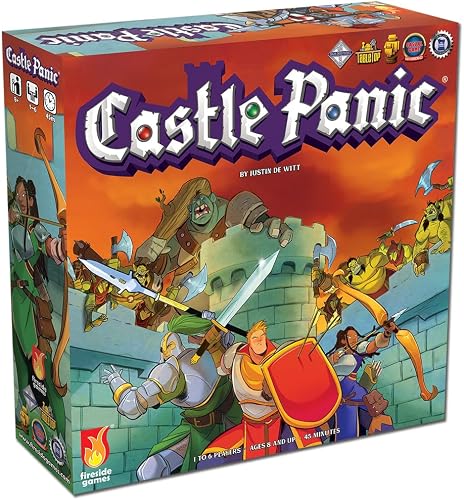 Fireside Games Castle Panic 2nd Edition Fantasy Board Game
Families who want light strategy and a longer shared challenge
2
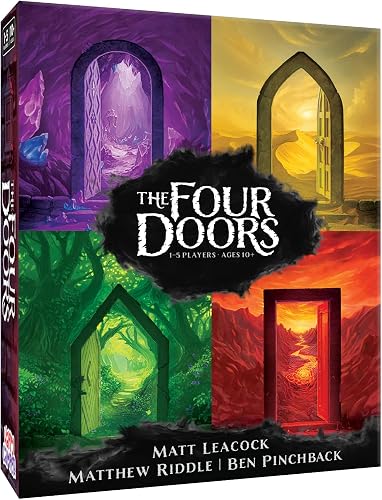 Happy Camper The Four Doors Cooperative Game
Older children and families wanting a shorter puzzle-focused game
3
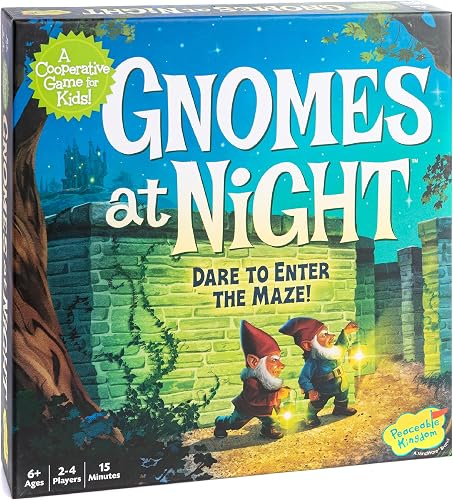 Peaceable Kingdom Gnomes at Night Cooperative Maze Game
Younger children and families new to cooperative games
4
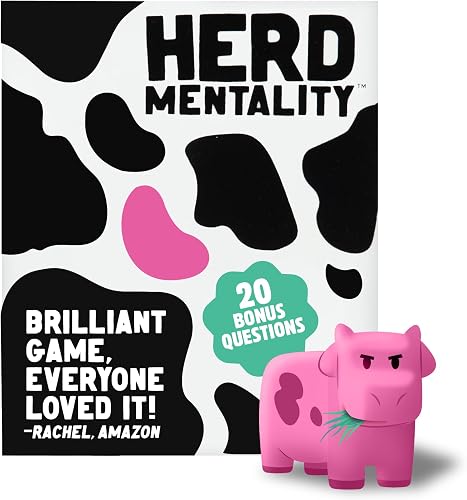 Herd Mentality Family Party Game for 4–20 Players
Groups of four or more that are open to a party game
5
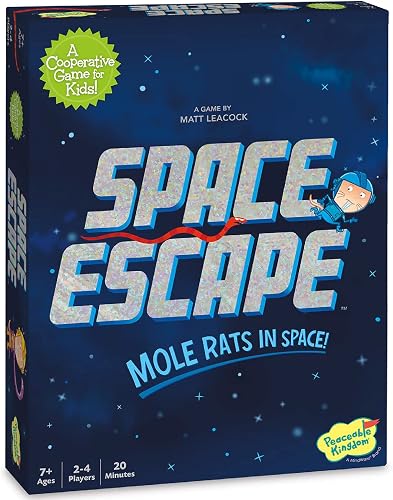 Peaceable Kingdom Space Escape: Mole Rats in Space!
Two to four players who want a quick themed challenge
We looked for a clear shared goal, approachable rules, and turns that give the group something useful to discuss. The confirmed cooperative picks cover different playtimes and comfort levels. Herd Mentality gets a clear caveat because its title describes a party game without identifying it as cooperative.
Eight-year-olds need a goal they can understand and choices that matter. Clear turns, manageable setup, and room to discuss the next move help children participate without an adult making every decision. Enough variation for a rematch matters too.
| Game | Best fit | Keep in mind |
|---|---|---|
| Castle Panic 2nd Edition | One to six players who want a 45-minute castle defense | Card draws can swing the outcome |
| The Four Doors | One to five older kids and adults who like group puzzles | Box is marked ages 10 and up |
| Gnomes at Night | Two to four players wanting a gentle 15-minute game | Too light for groups seeking deep strategy |
| Herd Mentality | Four to 20 players seeking a party game | Not confirmed as cooperative |
| Space Escape | Two to four players wanting a 20-minute space challenge | More to track than the simplest pick |
Start here
5 picks with live Amazon ratings
Castle Panic turns monster defense into a group problem. Players decide which threats need attention first, then work out how to use their limited cards without letting the castle fall.
The second edition sharpens the card presentation and adds more monster variety. The box lists one to six players, ages 8 and up, and a 45-minute playtime, so it works for a solo tryout as well as family game night.
Random draws still have a strong say in the outcome. That keeps turns lively, but groups that want a fully predictable strategy puzzle may find the luck frustrating.
The Four Doors asks the group to work through its doors together. Players share information and decide which clues to pursue, keeping the focus on discussion rather than individual scores.
The box lists one to five players and ages 10 and up. That makes it one to save for older children in a guide that starts at age eight. Setup takes less than five minutes, and a full game fits in about half an hour.
Changing door layouts and optional challenges add replay value. Its compact format travels easily, though it has less table presence than the larger games here.
Gnomes at Night keeps the assignment simple: work through a maze together. Its bright fantasy theme and short rounds make it less imposing than the longer strategy games on this list.
The box lists ages 6 and up, two to four players, and a 15-minute playtime. Eight-year-olds can get into the game quickly, and the brief session leaves room for an immediate rematch.
The lighter design also means fewer weighty decisions. Choose it for an inviting first cooperative game, not for the deepest strategy.
Herd Mentality has the widest stated player range here at four to 20, which makes it tempting for a crowded game night. Its listing presents it as a family party game.
That is also the problem: the title does not identify it as cooperative. If everyone must win or lose as one team, confirm the live rules before buying, or choose one of the explicitly cooperative games above.
Its buyer rating shows that people enjoy the game, but a popular party game is not automatically a fit for a cooperative-game search.
Space Escape wraps cooperative strategy in a playful mole-rats-in-space theme. The group shares the same outcome, so each turn becomes a chance to compare options and agree on the next move.
The box lists ages 7 and up, two to four players, and a 20-minute playtime. That puts it within easy reach of most eight-year-olds while still giving the table a clear challenge to solve together.
It asks players to track more than Gnomes at Night, and the pressure can feel tight during a first game. Families who enjoy that tension will find it the stronger step-up choice.
Most use some card text, so new readers may want help from an adult or older child. Gnomes at Night is the least reading-dependent choice.
Castle Panic supports one to six players, The Four Doors one to five, and Gnomes at Night and Space Escape two to four. Herd Mentality lists four to 20 players, though its title does not confirm cooperative play.
No. Each game is sold as a complete experience. Castle Panic has optional expansions if the base game becomes a favorite.
Gnomes at Night is marked ages 6 and up, Space Escape ages 7 and up, and Castle Panic ages 8 and up. The Four Doors box says ages 10 and up, so save that one for older players.