
Start here
D-Line 6 ft Floor Cord Cover Cable Protector
- Best use
- Short runs across tile or wood
- Think twice if
- You need room for thick power bricks
Herbie's Picks
Cable Management Updated Sep 24, 2026
A cable stretched between a desk and an outlet can make even a tidy office feel unfinished. The right cover contains the run and protects it from foot traffic. Choose by length, channel size, and floor type.
 D-Line 6 ft Floor Cord Cover Cable Protector
Short desk-to-wall runs on tile or wood
2
D-Line 6 ft Floor Cord Cover Cable Protector
Short desk-to-wall runs on tile or wood
2
 6 ft Soft Floor Cord Cover Protector
Home offices with mixed or uneven flooring
3
6 ft Soft Floor Cord Cover Protector
Home offices with mixed or uneven flooring
3
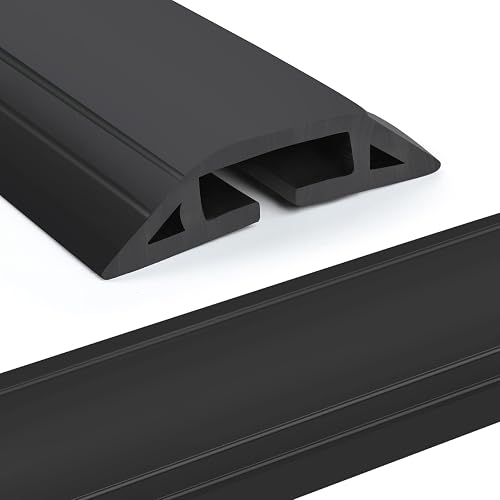 Eapele 10 ft Heavy-Duty Floor Cord Cover
Long, multi-cable runs with regular foot traffic
4
Eapele 10 ft Heavy-Duty Floor Cord Cover
Long, multi-cable runs with regular foot traffic
4
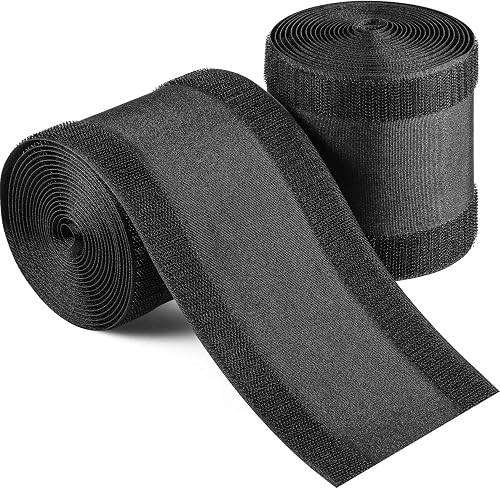 WILLBOND 19.69 ft Carpet Cord Cover
Long cable runs across carpeted offices
5
WILLBOND 19.69 ft Carpet Cord Cover
Long cable runs across carpeted offices
5
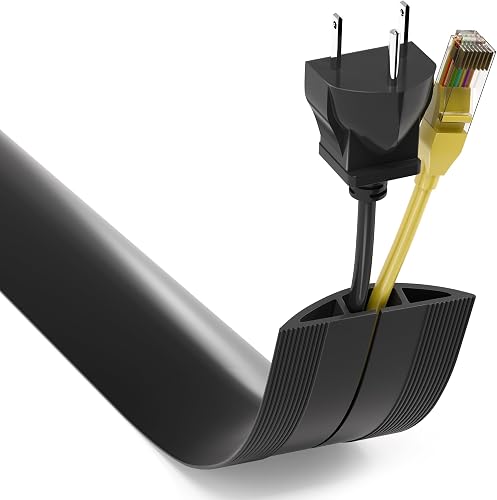 ZhiYo 4 ft Floor Cord Cover with Small Cavity
A single USB or headphone cable at a workstation
ZhiYo 4 ft Floor Cord Cover with Small Cavity
A single USB or headphone cable at a workstation
Measure the full cable path before choosing a cover. Rubber styles grip hard floors better, while fabric covers blend more naturally into carpet.
Clean the floor before laying the cover, route the cables through its center channel, and press it down firmly. On hard floors, securing the ends can help keep a lighter cover from shifting.
| Cord cover | Best use | Think twice if |
|---|---|---|
| D-Line 6 ft Floor Cord Cover Cable Protector | Short runs across tile or wood | You need room for thick power bricks |
| 6 ft Soft Floor Cord Cover Protector | Mixed or uneven flooring | The route passes beneath heavy furniture |
| Eapele 10 ft Heavy-Duty Floor Cord Cover | Long runs carrying several cables | You only need to cover a very short run |
| WILLBOND 19.69 ft Carpet Cord Cover | Long runs across carpet | Your office has bare hard floors |
| ZhiYo 4 ft Floor Cord Cover with Small Cavity | One thin cable near a workstation | You need to cover thick or multiple cables |
Start here
5 picks with live Amazon ratings
The six-foot D-Line is a tidy fit for a short cable run. It lies flat on tile and wood, and its low profile keeps covered cords from becoming a prominent obstacle underfoot or beneath a rolling chair.
The channel holds several thin cables without bulging, but it is too narrow for thick power bricks. The cover is also easy to cut when six feet is more than the space requires.
This soft cover bends around corners without kinking, making it easier to route across an uneven path. It compresses underfoot, then springs back to protect the cables inside.
The top can accept tape or carpet patches when a less conspicuous finish matters. Because the cover is lightweight, secure the ends to keep it from shifting, and avoid placing it beneath heavy furniture.
The ten-foot Eapele unrolls straight and lies flat right away. Its thicker walls stand up to foot traffic and the occasional pass from an office chair.
A wider channel gives several cables room to sit side by side without being forced into place. The cover feels stiff at first, and its dark surface makes dust easier to notice.
The WILLBOND is made for distance. Its 19.69-foot roll can reach across an entire room without seams, and the fabric finish blends into carpet better than a rubber cover.
It tucks beneath carpet edges for a more discreet finish and adds little height, so doors can still close properly. It is not a good match for bare hard floors because it relies on carpet to stay in place.
The four-foot ZhiYo fits neatly along a baseboard or beneath a desk. Its slim profile keeps the floor nearly level, which is useful where an office chair rolls nearby.
The small cavity is sized for one thin USB or headphone cable, not a full-size power cord. It trims easily with scissors, but the short length limits it to compact workstation setups.
Clean the floor first, then press the cover down firmly. Double-sided tape at each end can provide extra hold.
A heavier rubber cover resists flattening better than a soft fabric model under repeated chair traffic. Check that the cover lies flat before rolling over it.
Measure the path from the outlet to the farthest device, following the route the cable will actually take. Add a few extra feet if the run must go around furniture.